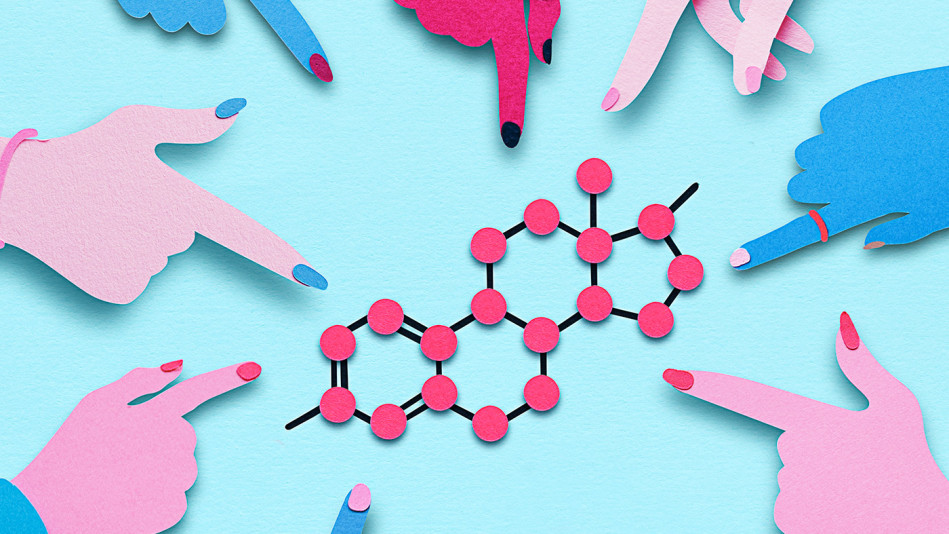
Symptoms of Lower Testosterone in Men

As a DO (doctor of osteopathic medicine), Dr. Stephen Petteruti focuses on treating the whole body to help a patient reach all-around health, rather than focusing just on symptoms. Among the treatments Dr. Stephen Petteruti offers at his Rhode Island practice is testosterone replacement therapy for men.

Various things can cause or contribute to lower testosterone levels. For instance, some men have hypogonadism, an endocrine disease in which the body does not produce enough testosterone. In other cases, the lowered levels are a result of the aging process. Testosterone levels are highest in adolescence and young adulthood and then decline over the following decades.

Symptoms of lower levels of testosterone vary, but can include gaining body fat and losing muscle. It may also negatively affect bone density. Sexual effects, such as having less of an interest in sex, may also occur. However, lower testosterone does not just affect the physical body. It can also cause mental changes, such as depression or a lack of confidence.

A doctor can evaluate a patient’s symptoms, check hormone levels, and help determine how to approach decreased testosterone levels. Depending on the situation, the doctor may recommend lifestyle changes to boost testosterone, either alone or in conjunction with testosterone replacement therapy.

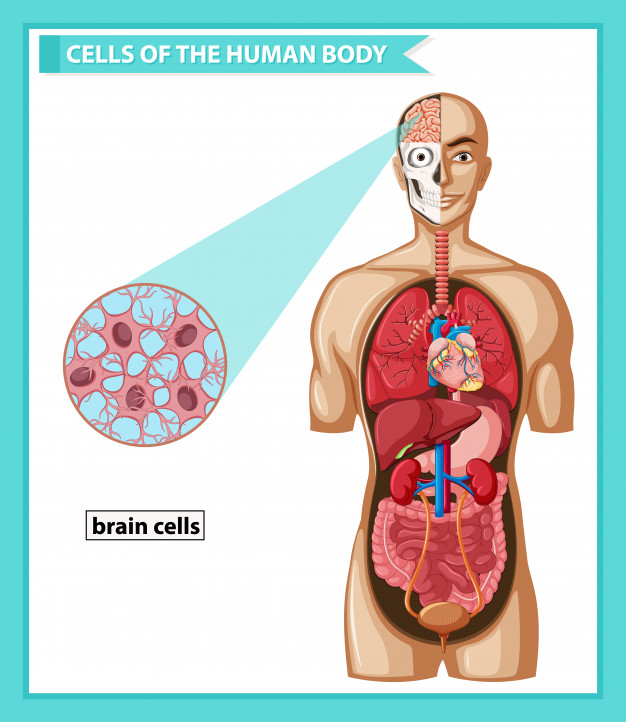
Magnesium for Preventing and Treating Migraines

A winner of the Patients’ Choice Award, Dr. Stephen Petteruti holds a DO from the Philadelphia College of Osteopathic Medicine. The physician and medical director of Intellectual Medicine 120 in Rhode Island, Dr. Stephen Petteruti offers patients a range of services, including magnesium drips for migraine relief.

Traditionally, people seek migraine relief from painkillers and other medications. Unfortunately, some of these treatments have varying levels of risk, are unsafe for use during pregnancy, or have certain side effects. Because of these issues, people are turning to magnesium for the treatment of migraines.

Magnesium is an essential mineral that stabilizes blood pressure, boosts bone health, and maintains healthy nerve function, yet roughly 75 percent of people in the United States do not get enough. This lack of magnesium may lead to muscle cramps, fatigue, or migraines.

Magnesium supplements are available in several forms. Magnesium oxide, for instance, is commonly used for migraine treatment. Regardless of the form, magnesium cannot be taken by itself and must be bound to another substance.

Different doses of magnesium are recommended for different situations. The American Migraine Foundation suggests patients take 400- to 500-milligram supplements to prevent migraines. The Canadian Headache Society recommends 600 milligrams. While dosage may vary, magnesium is a safe migraine treatment because it is a natural element.

How Heavy Metals Affect the Body

Following decades as a private practice physician, American Board of Bariatric Medicine member Stephen Petteruti, DO, established Intellectual Medicine, an integrative health clinic in Rhode Island. Under Dr. Stephen Petteruti’s direction, patients can access a range of testing services such as food sensitivity and toxic metals analyses.

Humans may absorb heavy metals such as lead, cadmium, and mercury from their environment and diet. Over time, levels can become too high for the body to excrete. Metals can travel through the body’s tissues and organs and disrupt functioning at the cellular level. High-levels of heavy metals can also impair the endocrine system and cause hormonal dysfunction.

When these scenarios occur, people may experience symptoms of heavy metal toxicity, which include cognitive problems, depression, and kidney issues. Long-term exposure to heavy metals can also increase the risk of developing certain cancers.

While everyone can benefit from heavy metal testing, chronic smokers, people who work in high-risk occupations such as manufacturing or construction, or people living in areas with high levels of air and water pollution are especially at risk of developing heavy metal toxicity.

An Introduction to Bioidentical Hormones

For more than two decades, Dr. Stephen Petteruti (a DO graduate of the Philadelphia College of Osteopathic Medicine) has worked as a physician. The medical director of Intellectual Medicine in Warwick, Rhode Island, Dr. Stephen Petteruti and his team offer non-surgical procedures for weight loss and anti-aging, such as bioidentical hormone replacement therapy.

Everyone’s basic bodily functions are controlled by hormones, including digestion, mood, and immune function. As people age, the amount of hormones that the body naturally creates decrease, thus resulting in an imbalance that can impact a person’s well-being. When this occurs, many people seek hormone replacement therapies, but such therapies have been linked to an increased risk of heart disease, blood clots, and other health issues. For this reason, bioidentical hormone replacement therapy has grown in popularity as an alternative treatment option.

Bioidentical hormones are not hormones that are naturally made in the human body. Rather, they are man-made hormones derived from plant by-products. However, such hormones are chemically identical to the hormones produced by the human body. This makes them suitable replacements for hormones that people have lost because of aging or medical conditions. The symptoms of cancer treatment may also be improved with the help of bioidentical hormone replacement therapy.

These hormones are administered to patients in various forms, including creams, pills, injections, and gels. They are most commonly created to replace progesterone, estrogen, and testosterone in men and women.

Design a site like this with WordPress.com
Get started