
Uses for Hyperbaric Oxygen Therapy

With extensive experience in life extension medicine, Dr. Stephen Petteruti D.O. established Intellectual Medicine in Warwick, Rhode Island in 2012. Under Dr. Stephen Petteruti’s direction, the clinic offers integrative health services on-site, including hyperbaric oxygen therapy.

During hyperbaric therapy, the patient enters a specialized chamber with higher than normal levels of air pressure. The higher pressure allows the blood to carry extra oxygen to the muscles, tissues, and organs. Furthermore, oxygen can be absorbed into the plasma, which cannot occur when breathing in normal air pressure. The increased oxygen helps regenerate damaged or infected tissue.

Hyperbaric therapy has been approved to treat a range of conditions, including severe bone infections, gas embolisms, and radiation therapy stemming from cancer treatment. This therapy is also recommended for healing-resistant wounds. Studies have also shown that hyperbaric therapy can counteract some of the processes that lead to aging and chronic illness, such as collagen loss and inflammation.

The Connection between Good Bedside Manner and Patient Health

Dr. Stephen Petteruti, a board-certified DO in Rhode Island, serves as the medical director of Intellectual Medicine 120. In recognition of his work, Dr. Stephen Petteruti has received numerous awards, including recognition as a Compassionate Doctor for his bedside manner. Dr. Petteruti received this award seven times between 2010 and 2018.

Bedside manner is often viewed as secondary to a good medical education and professional experience. However, evidence has been piling up that bedside manner plays a significant role in patient outcomes, which suggests that a good bedside manner is more important than previously believed.

The primary focus of a good bedside manner is empathy. Rather than rushing through information or talking down to patients, doctors must take the time to understand their patients’ concerns and questions. This level of empathy creates a strong bond between patients and providers and increases trust.

When patients trust their doctors, they feel more comfortable sharing more information about their medical situation and symptoms. Having this additional information helps physicians make personalized and careful decisions about the patient’s care.

Intellectual Medicine: Offering Alternative Health Treatments

Based in East Greenwich, Rhode Island, Dr. Stephen Petteruti serves as a doctor of osteopathy at Intellectual Medicine, a company that offers alternative health treatments. Previously, Dr. Stephen Petteruti practiced family medicine for 20 years.

Intellectual Medicine is a boutique health practice. Rather than billing for individual appointments, patients receive a full range of services for a flat monthly fee. Conventional services offered by the clinic, such as blood work and x-rays, are covered by insurance plans.

The doctors and staff at Intellectual Medicine offer the following treatments that aim to promote longevity:

Anti-aging treatments: One factor in aging is the presence of free radicals–chemicals that have been linked to Alzheimer’s disease, arthritis, atherosclerosis, and other conditions. The clinic offers antioxidants, such as glutathione, which can help reduce the presence of free radicals. It also provides bio-identical hormonal therapy, which uses of artificial hormones to mimic natural hormones, helping to slow the aging process.

– Weight loss treatments: The Intellectual Medicine plan provides patients with guidance on adjusting their intake of macronutrients (fats, proteins, and carbohydrates) and micronutrients (vitamins and minerals). These adjustments are enhanced through exercise and pharmacological treatments.

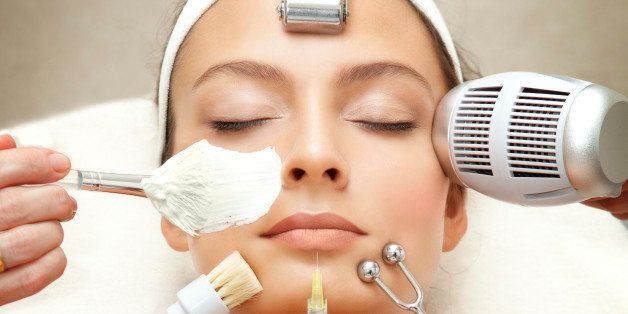
– Aesthetic reconstruction: Patients can reverse skin damage with treatments such as facial peels, photodynamic therapy, botox, and skin tightening.

– Intravenous infusions: Intellectual Medicine’s IV drips promote the health of the single cell through chelation, a process that improves blood flow by removing heavy metals from the bloodstream.

Three Common Cravings and What They Really Mean

Rhode Island-based physician Dr. Stephen Petteruti received his DO from the Philadelphia College of Osteopathic Medicine more than 30 years ago. The medical director and concierge physician at Intellectual Medicine (IM) 120, Dr. Stephen Petteruti provides IV drips to patients to assist with such things as weight loss and management by ending cravings.

When the body is lacking particular nutrients, it tries to inform a person by making them crave specific foods. Below are a few common cravings and what they mean:

Chocolate cravings
Most chocolate is made up of fats, carbohydrates, and several types of minerals and vitamins. When the body is craving chocolate, it is asking for more B vitamins, essential fats, magnesium, and chromium. To satisfy these cravings in a healthy way, people can eat dark, milk-free chocolate or magnesium-rich foods like almonds or raw cacao.

Salty cravings
People who are dehydrated or have a mineral imbalance crave salty foods like french fries, pretzels, or chips. Adding electrolyte drops to water can satisfy such cravings, as can eating more Vitamin B foods, including vegetables, seeds, and whole grains. Eating dry-roasted nuts is also a good way of indulging salty cravings while getting plenty of protein and heart-healthy fats.

Sugar cravings
Sugar does not provide the body with essential nutrients, thus making sugar cravings some of the most difficult to manage. Usually, when the body seeks sugar, what it needs is a quick energy boost. Whole fruits, such as peaches or cherries, can be a good substitute to candy in this situation, as can dried fruits, Greek yogurt, and water.

Design a site like this with WordPress.com
Get started